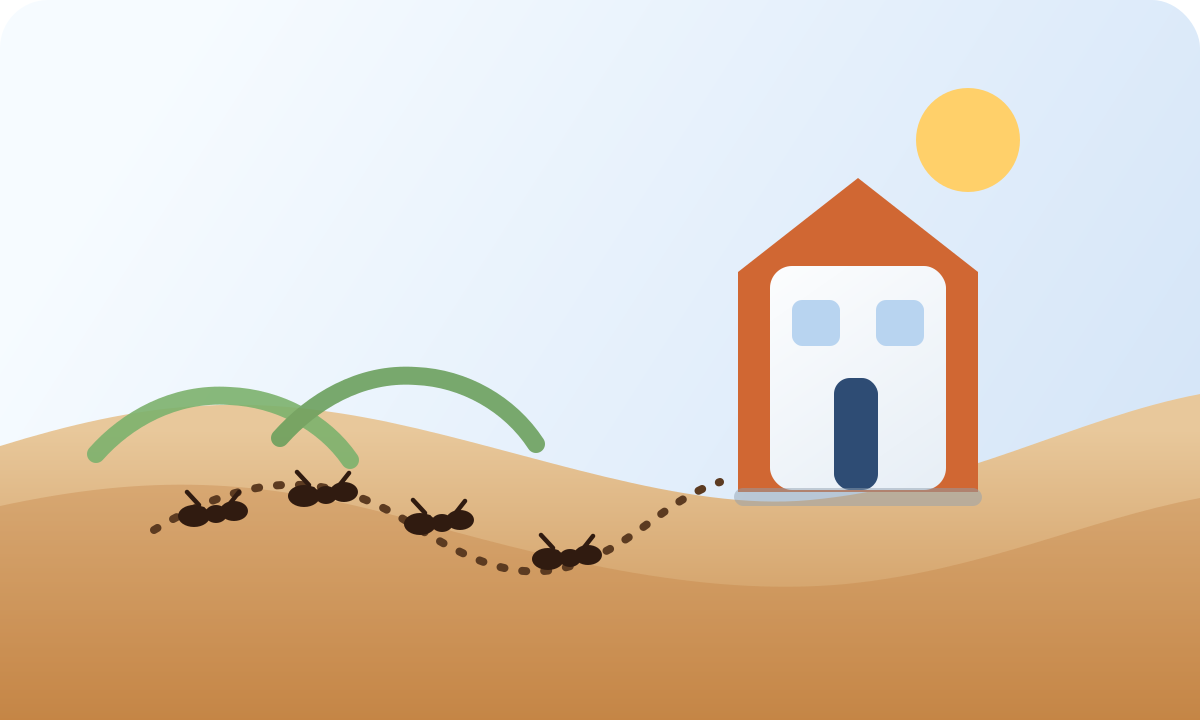
Ant issues usually do not start at the kitchen counter. They start outside, where warmth, irrigation, plant debris, and hidden voids give colonies a stable place to expand before scouts begin testing routes indoors.
Where activity usually starts
In Phoenix-area homes, spring ant movement often begins around drip lines, block walls, expansion joints, hose bibs, and mulch-heavy planters. Once scouts find dependable moisture or food indoors, those small exploratory paths can turn into repeat trails.
Why it matters early in the season
Early ant activity is a useful signal. It often points to exterior nesting pressure, gaps at thresholds, or moisture conditions that will support more traffic as temperatures continue rising. Catching that pattern early makes it easier to interrupt trails before they become a recurring interior issue.
Practical steps that help
Start by reducing easy attractants: wipe up sugary residue, store pet food tightly, and watch for irrigation overspray against the foundation. Outside, focus on trail sources and entry transition points rather than only treating the spots where ants are already visible indoors.