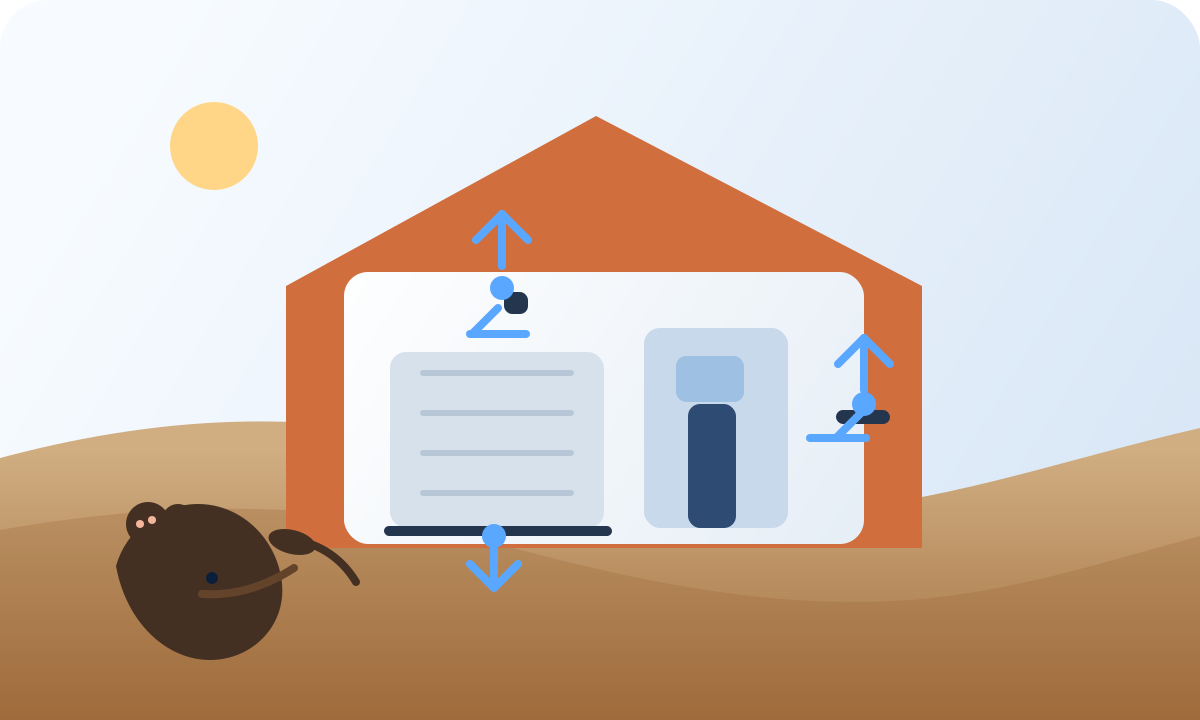
By the time noises or droppings are noticed indoors, rodents have usually already mapped a reliable exterior route. That is why entry-point work matters so much: it addresses the path that keeps reinfestation possible.
The first places to inspect
Start with roofline transitions, attic vents, utility penetrations, garage door edges, and any place where materials meet imperfectly. Small daylight gaps around these connections are often enough to support repeated access.
Why exclusion matters more than cleanup alone
Cleanup helps address signs of activity, but it does not stop the next visit if access stays open. Exclusion closes off the route rodents are already using, which is why it is such a critical part of long-term control around homes and garages.
What to watch for around the structure
Look for rub marks, droppings, gnawing, displaced insulation, and activity near stored items or pet food. Outside, check for vegetation or climbing routes that make rooflines easier to reach. The goal is to see both the opening and the path leading to it.